Apple | HomePod
The Smart Speaker for People Who Care About Sound
Let’s talk about the Apple HomePod. I own both versions – the HomePod mini ($99) and the full-size HomePod ($299) – and while both have earned their space on my shelves, today we’re focusing on the big one. Mostly.
Simply put, it sounds incredible. I work in music, and even my colleagues – a lovable-but-skeptical, gear-snob bunch by nature – agree that while it’s not cheap, the HomePod earns its price tag on sound quality alone. You can call it a “smart speaker” if you want, but the emphasis should firmly be on speaker. Let me explain.
When “Smart” Isn’t the Point
We all know Siri isn’t exactly the, well …..the valedictorian of the voice assistant world. If you want a speaker that tells jokes, makes fart sounds, and fastidiously reminds you to buy more paper towels and coffee beans, Amazon’s Echo lineup has you covered. But if you actually care about how your music sounds – about hearing what the artist wanted you to hear, then Apple’s hardware is the one worth paying for.
The HomePod mini, to its credit, also punches far above its weight. For something about the size of a large orange, it delivers surprisingly full, balanced sound. But despite some very effective technological wizardry, physics is still physics, and there’s only so much bass you can squeeze out of a speaker cone the size of a shot glass. The full-size HomePod, though? It’s an entirely different beast.
Hardware Over Hype
Let’s be honest – the Echo family of speakers sounds like trash. Even the “premium” ones. To my ears, it’s the audio equivalent of a 2000s-era CD boombox: nostalgic, perhaps, but not something you’d willingly use if you’ve heard anything better. Amazon compensates with Alexa’s capabilities because it just can’t compete on acoustics.
Apple, as usual, flips that script. Hardware is where it excels. The HomePod’s secret weapon isn’t just its custom high-excursion woofer or its array of beamforming tweeters – it’s the way it actually listens to your room. Using built-in microphones and computational audio, it automatically adjusts its EQ to fit your space. That’s not marketing fluff; you can literally move it across the room, and within seconds, it’s rebalanced itself for optimal sound. It’s eerie how good it is.
The Irony of the Price Tag
What’s funny is how often people who wouldn’t blink at dropping $300 on a midrange soundbar suddenly clutch their pearls over a $299 HomePod. Yet this one delivers better sound, wireless convenience, and automatic tuning – plus it works seamlessly with your iPhone, iPad, or Mac. No HDMI cables. No setup nightmare. Just plug it in, pair it, and you’re off to the races.
And if you buy two? You get a wireless, stereo Dolby Atmos setup that willl fill your room with clarity, depth, and a genuinely surprising amount of well-tuned bass. It’s a minimalist’s dream – cable-free, compact, and designed to disappear until the music (or movie) starts.
Design: Heavy, Simple, Perfect
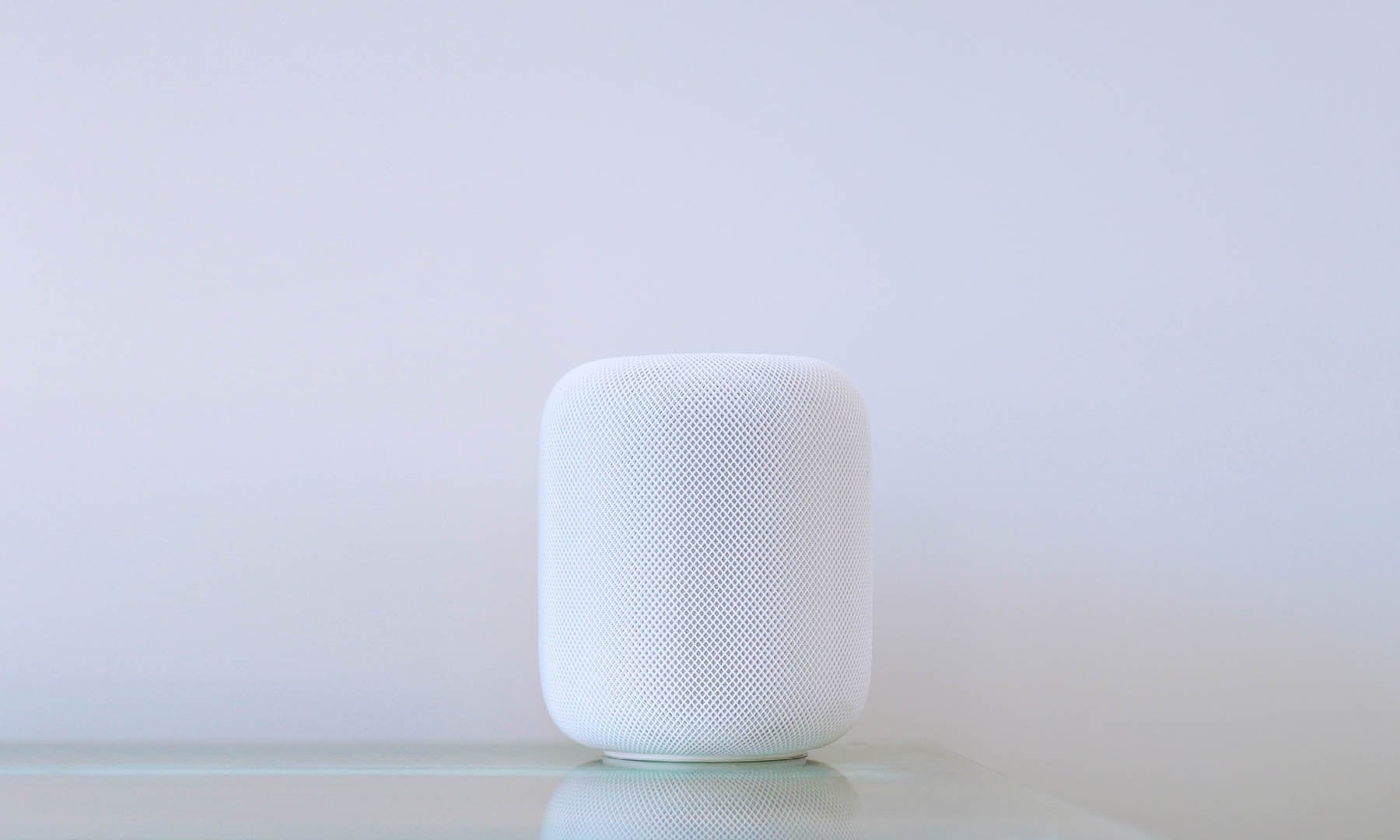
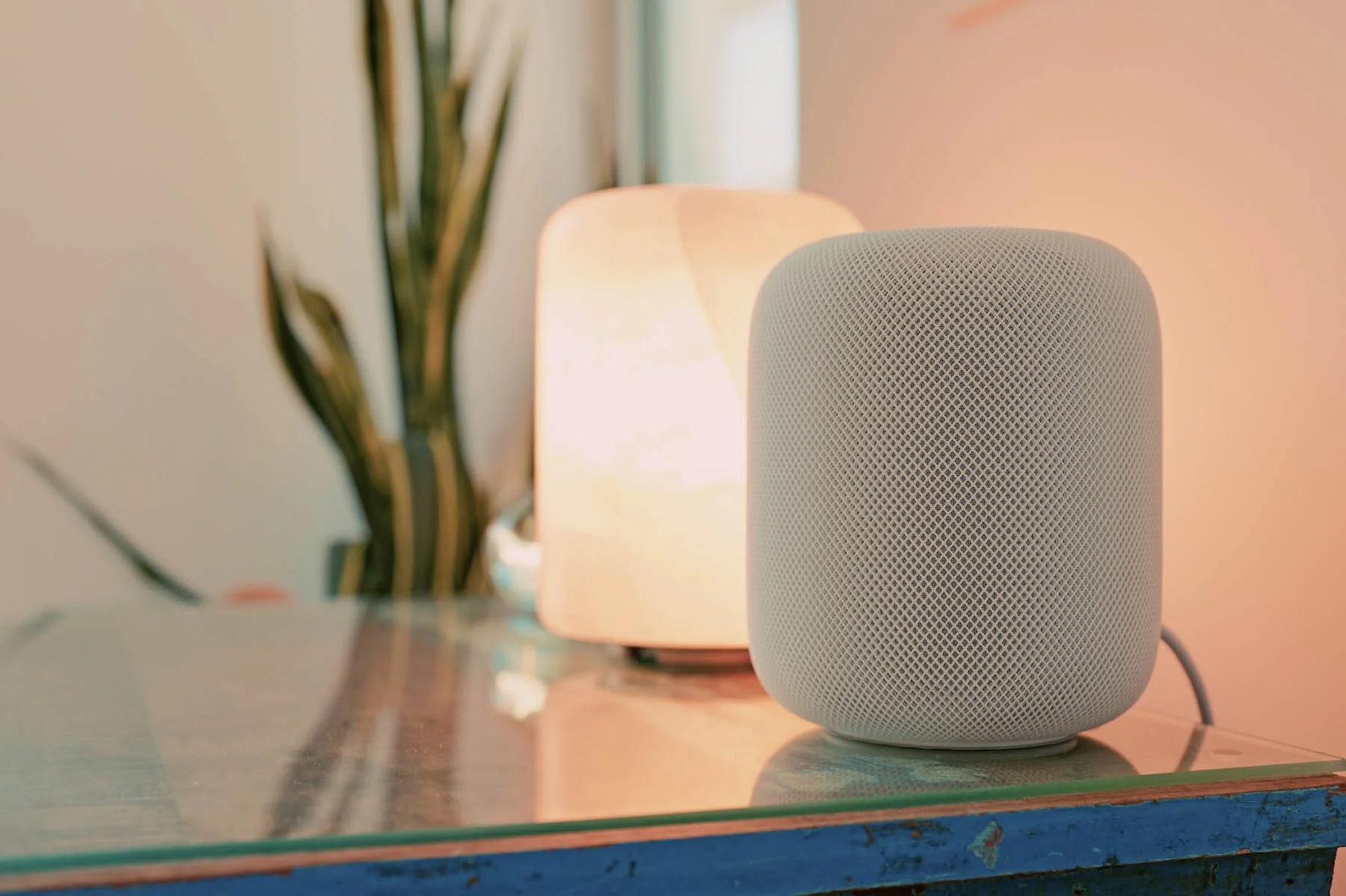
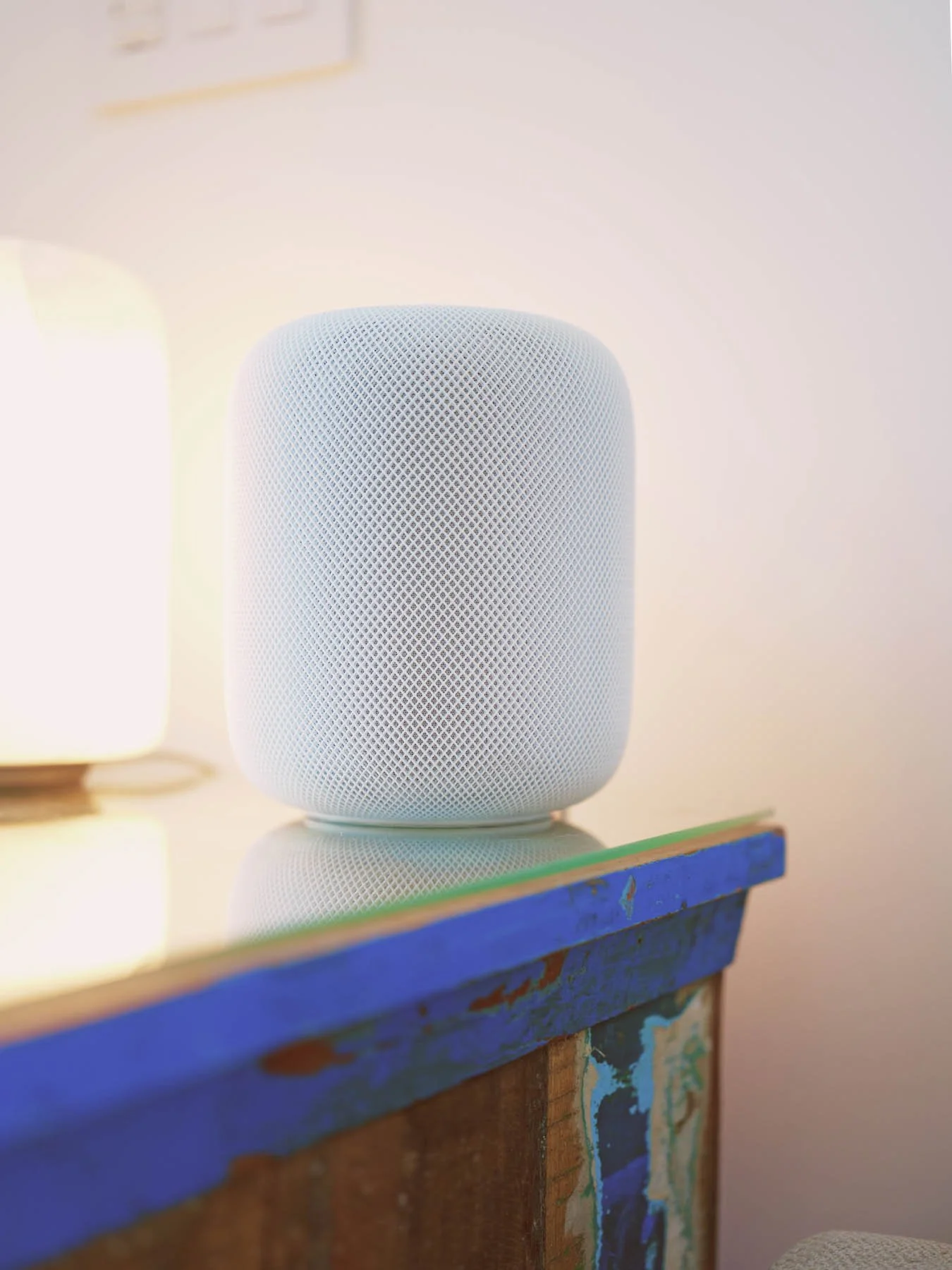
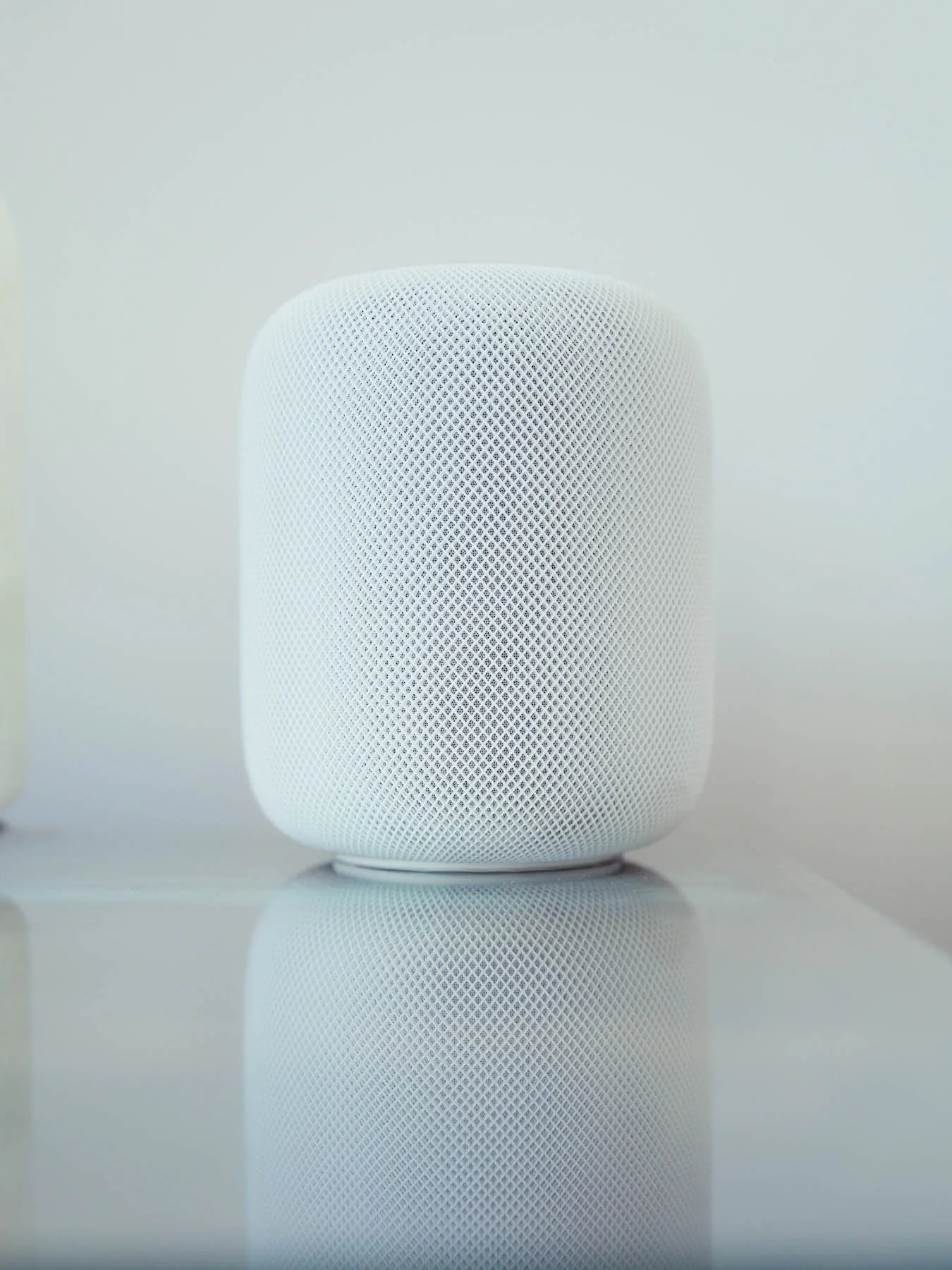
Both the full-size and mini models share the same design DNA: dense, beautifully machined hardware wrapped in an acoustic mesh. The large model comes in what Apple call Midnight (aka Black) and White, while the Mini comes in several playful hues, including Orange, Yellow, and Blue. Both are heavier than you expect – reassuringly so. That weight tells you what’s inside matters.
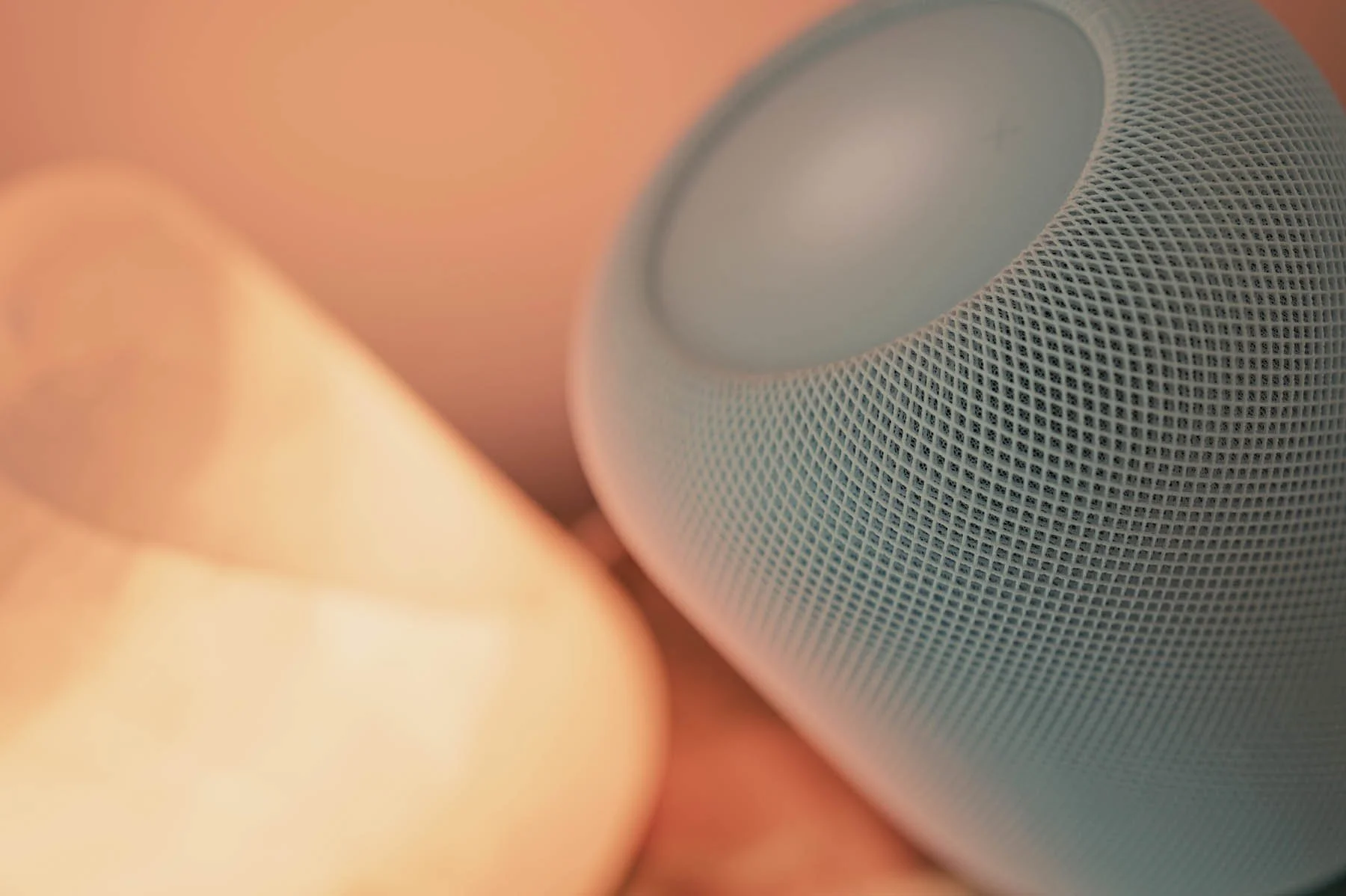
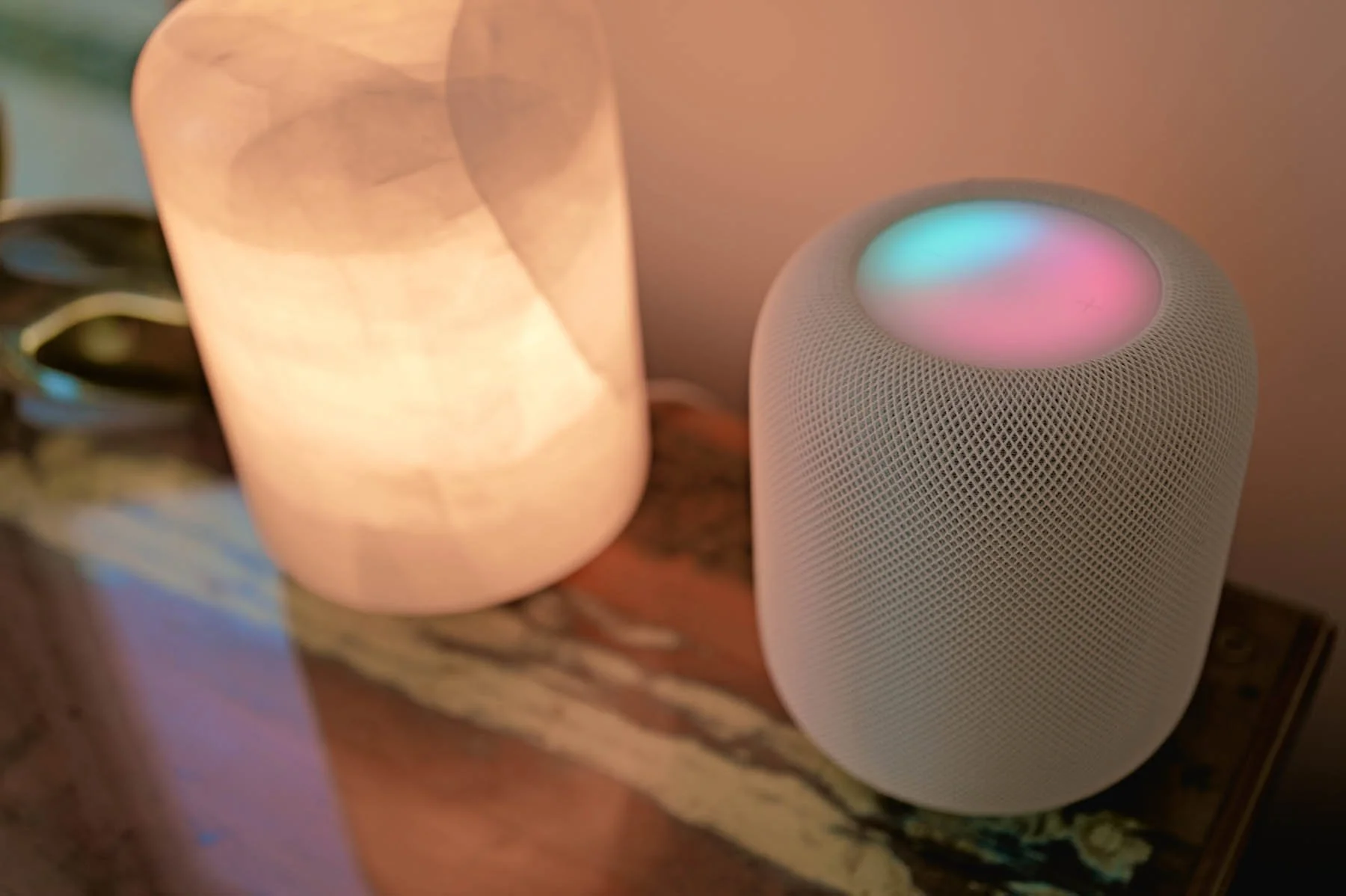
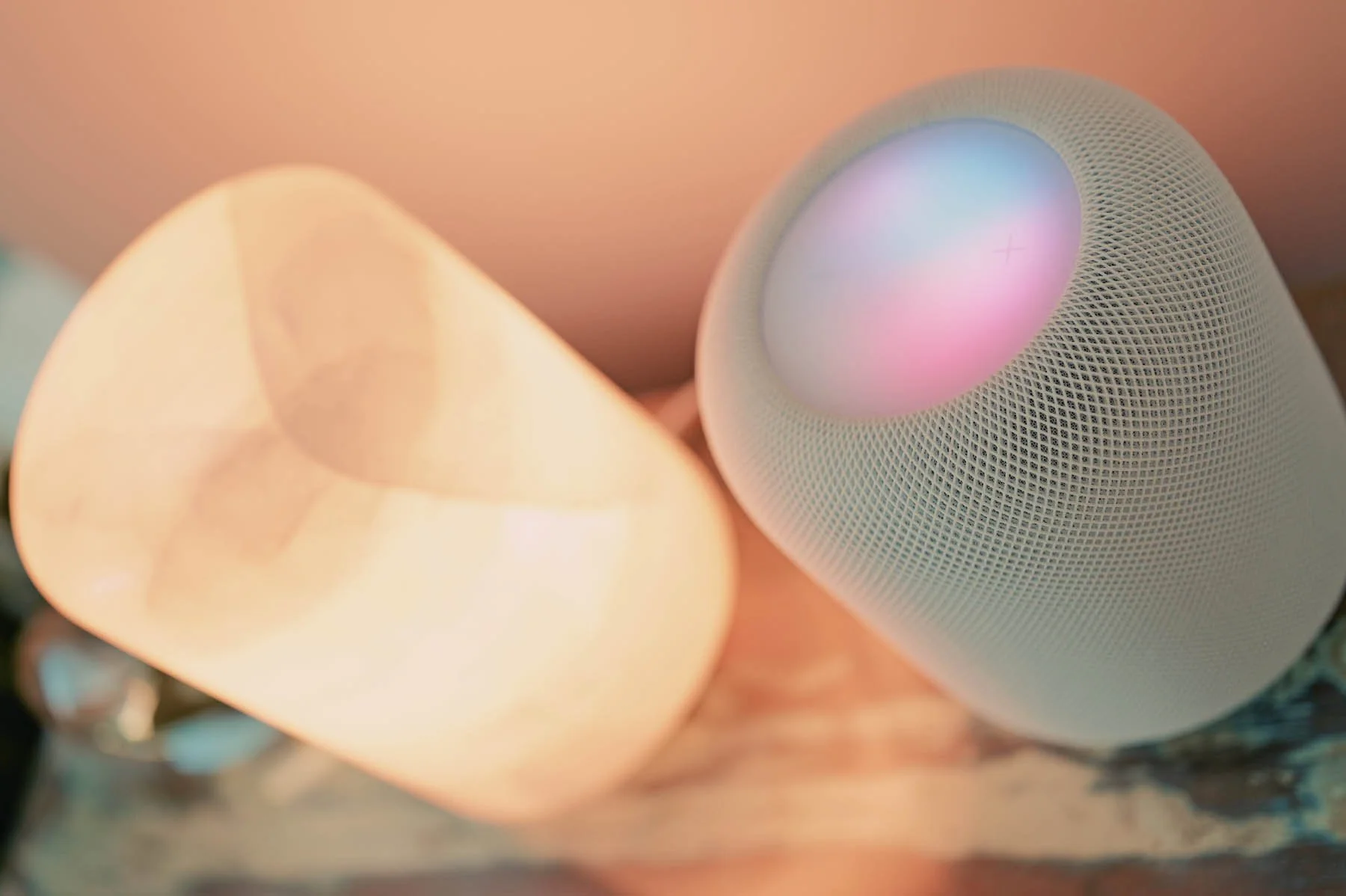
And then there’s the top: a soft-glow surface that lights up with a swirling rainbow whenever Siri is listening. It’s not just decorative; it’s functional design, echoing the same UI cues you see on your iPhone. Apple being Apple, even the light feels intentional.
The Sound of Sanity
The HomePod’s sound is the kind that makes you re-listen to old favorites just to hear what you’ve been missing. Vocals sit dead center, the bass is tight and defined, and the spatial balance feels effortless. It makes you realize that “smart” doesn’t have to mean “compromised.”
Sure, Siri still stumbles through multi-step commands like a drunk trying to order an Uber, but that’s fixable with software. The hardware – the part that actually matters for your ears – is dialed in to something near-perfection.
For me, it’s a kitchen essential. It sits there quietly most of the time, waiting to fill the space with whatever’s coming next - be it bangers, classics or podcasts.
Final Thoughts
At $99, the HomePod mini is a no-brainer. At $299, the full-size HomePod might sound like a splurge – but only until you hear it. Then it just sounds like a great deal. There are far more expensive hi-fi systems that sound far worse.
If you care about your music – and want your smart speaker to act like one – buy the big one. Hell, buy two.
11 out of 10 stars.
Check it out at Apple: